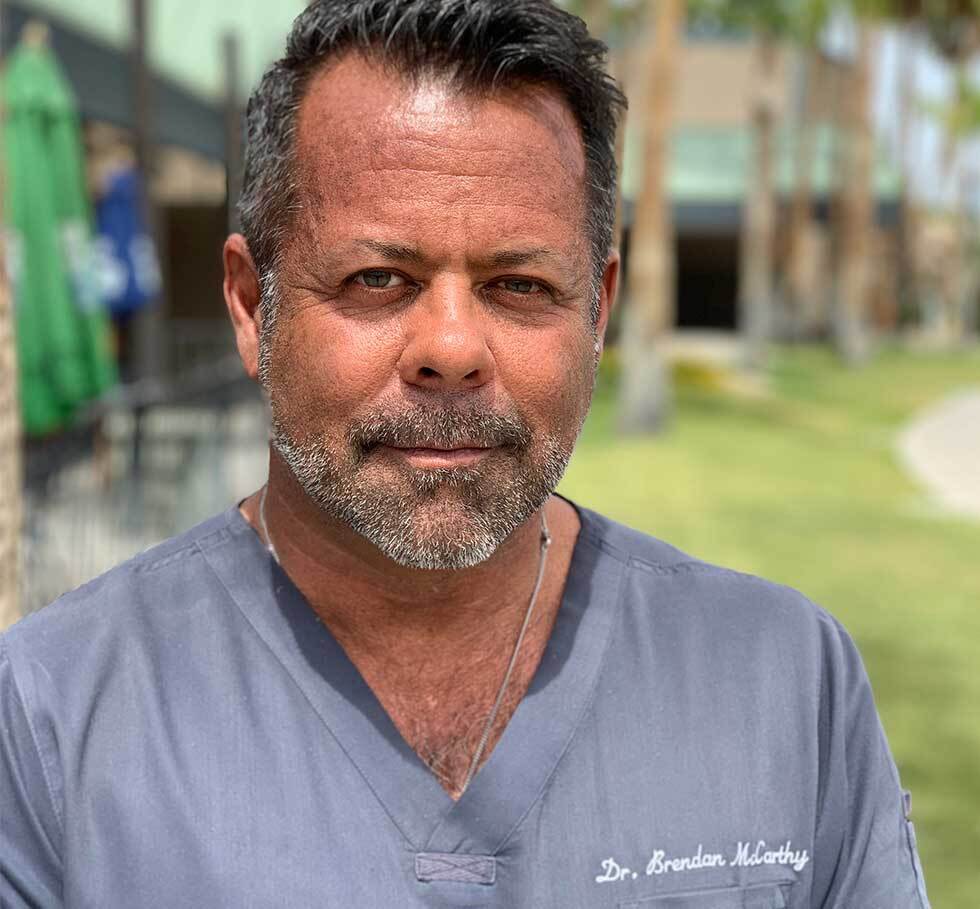
Dr. Brendan McCarthy
Welcome! Dr. Brendan McCarthy founded Protea Medical Center in 2002. While he’s been the chief medical officer, Protea has grown and evolved into a dynamic medical center serving the Valley and Central Arizona. Through successful case after successful case, Dr. McCarthy has been dedicated to hormone balance, healthy metabolism, and the best quality of life. Dr. McCarthy’s hallmark is his unorthodox approach to mental/emotional wellness and its link to hormone balance in women and men. Through the use of blood work and clinical investigation, Dr. McCarthy gets to the bottom of possible causes for common conditions such as anxiety, PMS, depression, slow metabolism, weight gain, insomnia and now wants to share his knowledge to the viewers with his podcast. Join the discussion, ask questions, and welcome to the podcast!









Get to Know Me
Dr. McCarthy is internationally recognized as an expert in hormone replacement therapy. He has lectured physicians and pharmacists on topics such as weight loss, infertility, hormone replacement therapy, nutritional therapy and more.
Often we look at the qualifications of a physician to help us choose a doctor, but a good doctor is more than just credentials and titles. A doctor needs to be compassionate and empathic. Dr. McCarthy has built his practice upon his dedication to each individual patient. He is passionate about his work and committed to educating his patients on their medical conditions so they can gain control of their health.
Episodes
Sep 16, 2026
Sep 16, 2026
16 min
Progesterone plays an important role in regulating the uterine lining, especially during the perimenopause years when ovulation becomes less consistent and estrogen may remain present without adequate progesterone.
In this episode, Dr. Brendan McCarthy discusses the relationship between estrogen, progesterone, and the endometrium, including why heavier or changing menstrual cycles shouldn't simply be dismissed as “part of perimenopause.”
📚 Patient Education:Explore our patient education resources here:https://protealife.com/patient-education
⚠️ This podcast is for educational purposes only and is not a substitute for individualized medical advice. Do not abruptly change or stop hormone therapy based on information you hear online. Talk with your healthcare provider about your specific situation.
Dr. Brendan McCarthy is the founder and Chief Medical Officer of Protea Medical Center in Arizona. With over two decades of experience, he’s helped thousands of patients navigate hormonal imbalances using bioidentical HRT, nutrition, and root-cause medicine. He’s also taught and mentored other physicians on integrative approaches to hormone therapy, weight loss, fertility, and more.
If you’re ready to take your health seriously, this podcast is a great place to start.
👇 Tap Subscribe to learn more about what’s actually happening in your body, and what to do about it.
📘 Read Dr. McCarthy’s Book:Jump Off the Mood Swing – A Sane Woman’s Guide to Her Crazy Hormoneshttps://www.amazon.com/Jump-Off-Mood-...
📲 Follow Dr. McCarthy:Instagram: @drbrendanmccarthyTikTok: @drbrendanmccarthyWebsite: www.protealife.com
💬 Got a question or topic for a future episode? Let us know in the comments!
Sep 9, 2026
Sep 9, 2026
18 min
Why does progesterone help one woman sleep, feel calm, and finally feel like herself again—while another woman feels anxious, restless, or completely unlike herself?
The answer may have a lot to do with how progesterone enters the body and what it becomes after you take it.
In Part 11 of this progesterone series, Dr. Brendan McCarthy breaks down why the route of administration matters when using bioidentical oral micronized progesterone. Oral, transvaginal, transrectal, topical, and sublingual routes can influence how progesterone is metabolized and where its effects are felt.
📚 Patient Education:Explore our patient education resources here:https://protealife.com/patient-education
⚠️ This podcast is for educational purposes only and is not a substitute for individualized medical advice. Do not abruptly change or stop hormone therapy based on information you hear online. Talk with your healthcare provider about your specific situation.
Dr. Brendan McCarthy is the founder and Chief Medical Officer of Protea Medical Center in Arizona. With over two decades of experience, he’s helped thousands of patients navigate hormonal imbalances using bioidentical HRT, nutrition, and root-cause medicine. He’s also taught and mentored other physicians on integrative approaches to hormone therapy, weight loss, fertility, and more.
If you’re ready to take your health seriously, this podcast is a great place to start.
👇 Tap Subscribe to learn more about what’s actually happening in your body, and what to do about it.
📘 Read Dr. McCarthy’s Book:Jump Off the Mood Swing – A Sane Woman’s Guide to Her Crazy Hormoneshttps://www.amazon.com/Jump-Off-Mood-...
📲 Follow Dr. McCarthy:Instagram: @drbrendanmccarthyTikTok: @drbrendanmccarthyWebsite: www.protealife.com
💬 Got a question or topic for a future episode? Let us know in the comments!
Sep 2, 2026
Sep 2, 2026
21 min
Does progesterone cause breast cancer—or could it actually play a protective role in the body?
The answer isn't as simple as the headlines make it seem.
In this episode, Dr. Brendan McCarthy breaks down one of the most confusing conversations in hormone health: the difference between bioidentical progesterone and synthetic progestins.
Not all medications called “progesterone” are the same. They may protect the uterine lining in similar ways, but they can behave very differently throughout the body.
📚 Patient Education:Explore our patient education resources here:https://protealife.com/patient-education
⚠️ This podcast is for educational purposes only and is not a substitute for individualized medical advice. Do not abruptly change or stop hormone therapy based on information you hear online. Talk with your healthcare provider about your specific situation.
Dr. Brendan McCarthy is the founder and Chief Medical Officer of Protea Medical Center in Arizona. With over two decades of experience, he’s helped thousands of patients navigate hormonal imbalances using bioidentical HRT, nutrition, and root-cause medicine. He’s also taught and mentored other physicians on integrative approaches to hormone therapy, weight loss, fertility, and more.
If you’re ready to take your health seriously, this podcast is a great place to start.
👇 Tap Subscribe to learn more about what’s actually happening in your body, and what to do about it.
📘 Read Dr. McCarthy’s Book:Jump Off the Mood Swing – A Sane Woman’s Guide to Her Crazy Hormoneshttps://www.amazon.com/Jump-Off-Mood-...
📲 Follow Dr. McCarthy:Instagram: @drbrendanmccarthyTikTok: @drbrendanmccarthyWebsite: www.protealife.com
💬 Got a question or topic for a future episode? Let us know in the comments!
Aug 26, 2026
Aug 26, 2026
23 min
How you receive estrogen matters.
In this episode, Dr. Brendan McCarthy breaks down the different ways estrogen can be delivered — including oral estrogen, topical/transdermal estrogen, injections, and pellets — and explains why the route of delivery can change how the hormone behaves in your body.
He discusses first-pass metabolism, estrone conversion, transdermal delivery, vaginal estrogen, injection esters, pellets, lab monitoring, and why informed consent and ongoing follow-up are essential to hormone replacement therapy.
Most importantly, this episode is about understanding your options. You deserve to know what you're taking, how it's being delivered, what it may do, what the risks are, and how your provider plans to monitor you.
📚 Patient Education:Explore our patient education resources here:https://protealife.com/patient-education
⚠️ This podcast is for educational purposes only and is not a substitute for individualized medical advice. Do not abruptly change or stop hormone therapy based on information you hear online. Talk with your healthcare provider about your specific situation.
If you found this episode helpful, like, share, and subscribe for more conversations about hormones, health, and personalized medicine.
Dr. Brendan McCarthy is the founder and Chief Medical Officer of Protea Medical Center in Arizona. With over two decades of experience, he’s helped thousands of patients navigate hormonal imbalances using bioidentical HRT, nutrition, and root-cause medicine. He’s also taught and mentored other physicians on integrative approaches to hormone therapy, weight loss, fertility, and more.
If you’re ready to take your health seriously, this podcast is a great place to start.
👇 Tap Subscribe to learn more about what’s actually happening in your body, and what to do about it.
📘 Read Dr. McCarthy’s Book:Jump Off the Mood Swing – A Sane Woman’s Guide to Her Crazy Hormoneshttps://www.amazon.com/Jump-Off-Mood-...
📲 Follow Dr. McCarthy:Instagram: @drbrendanmccarthyTikTok: @drbrendanmccarthyWebsite: www.protealife.com
💬 Got a question or topic for a future episode? Let us know in the comments!
Aug 19, 2026
Aug 19, 2026
22 min
Vaginal and urinary symptoms are common during perimenopause and menopause—but understanding why they happen and how different forms of estrogen work can be confusing.
In Episode 8 of this hormone series, Dr. Brendan McCarthy breaks down the relationship between systemic estrogen, vaginal estrogen, estradiol, estriol, testosterone, and the genitourinary symptoms many women experience during menopause.
He discusses:
Why oral estrogen doesn't necessarily reach every tissue in the body the way you might expect
The difference between systemic and vaginal estrogen
Why vaginal estrogen can be an important medical intervention—not simply a "cream"
How estrogen can affect vaginal tissue, pH, and urinary health
The role of androgens like testosterone in vaginal and genitourinary health
What we know—and still don't know—about vaginal estrogen transfer to a partner
Why informed consent means truly understanding your treatment
Questions you can ask your provider about your hormone therapy and monitoring
Dr. McCarthy's goal is simple: to give women unbiased information so they can feel more informed, curious, and confident when making decisions about their health.
This episode is for educational purposes only and is not a substitute for individualized medical advice. Talk with your healthcare provider about what treatment approach is appropriate for you.
📚 Download the free research resources and citations:Visit www.protealife.com for episode notes, references, and educational materials.
Dr. Brendan McCarthy is the founder and Chief Medical Officer of Protea Medical Center in Arizona. With over two decades of experience, he’s helped thousands of patients navigate hormonal imbalances using bioidentical HRT, nutrition, and root-cause medicine. He’s also taught and mentored other physicians on integrative approaches to hormone therapy, weight loss, fertility, and more.
If you’re ready to take your health seriously, this podcast is a great place to start.
👇 Tap Subscribe to learn more about what’s actually happening in your body, and what to do about it.
📘 Read Dr. McCarthy’s Book:Jump Off the Mood Swing – A Sane Woman’s Guide to Her Crazy Hormoneshttps://www.amazon.com/Jump-Off-Mood-...
📲 Follow Dr. McCarthy:Instagram: @drbrendanmccarthyTikTok: @drbrendanmccarthyWebsite: www.protealife.com
💬 Got a question or topic for a future episode? Let us know in the comments!
Aug 12, 2026
Aug 12, 2026
16 min
An elevated estrone level can be alarming—especially when you search online and immediately find scary information about cancer, diabetes, or obesity. But does a high estrone level automatically mean something is wrong? In this episode, Dr. Brendan McCarthy, Chief Medical Officer of Protea Medical Center, takes a closer look at estrone and why it shouldn't be treated as a simple “good” or “bad” hormone. Dr. McCarthy also discusses his own evolution in understanding estrone and why he believes good medicine requires continually questioning what we think we know. The goal isn't to tell you what decision to make. It's to give you better information so you can have a more informed conversation with your healthcare provider.
📚 Download the free research resources and citations:Visit www.protealife.com for episode notes, references, and educational materials.
Dr. Brendan McCarthy is the founder and Chief Medical Officer of Protea Medical Center in Arizona. With over two decades of experience, he’s helped thousands of patients navigate hormonal imbalances using bioidentical HRT, nutrition, and root-cause medicine. He’s also taught and mentored other physicians on integrative approaches to hormone therapy, weight loss, fertility, and more.
If you’re ready to take your health seriously, this podcast is a great place to start.
👇 Tap Subscribe to learn more about what’s actually happening in your body, and what to do about it.
📘 Read Dr. McCarthy’s Book:Jump Off the Mood Swing – A Sane Woman’s Guide to Her Crazy Hormoneshttps://www.amazon.com/Jump-Off-Mood-...
📲 Follow Dr. McCarthy:Instagram: @drbrendanmccarthyTikTok: @drbrendanmccarthyWebsite: www.protealife.com
💬 Got a question or topic for a future episode? Let us know in the comments!
Aug 5, 2026
Aug 5, 2026
17 min
Should every woman take estrogen? Or should no one?
According to Dr. Brendan McCarthy, both extremes miss the point. The best hormone therapy is personalized, evidence-based, and designed around the individual—not headlines or trends.
In this episode, Dr. McCarthy explains why today's growing "estrogen for everyone" movement can be just as concerning as the outdated fear created by the Women's Health Initiative study. Hormone replacement therapy isn't about following the crowd—it's about understanding your body, your risks, and your long-term health goals.
In this video, you'll learn:
Why hormone therapy should never be one-size-fits-all
The difference between individualized care and "pill mill" medicine
What the Women's Health Initiative actually studied—and how it was misinterpreted
Why estrogen helps with some conditions more than others
The questions every woman should ask before starting hormone replacement therapy
How experienced clinicians monitor hormones to keep treatment safe over time
At Protea Medical Center, we believe hormone therapy should be built around you—your symptoms, your lab work, your health history, and your goals.
If you're considering hormone replacement therapy, make sure you're working with a provider who takes the time to explain your options, monitor your progress, and adjust treatment as your body changes.
📚 Download the free research resources and citations:Visit www.protealife.com for episode notes, references, and educational materials.
Dr. Brendan McCarthy is the founder and Chief Medical Officer of Protea Medical Center in Arizona. With over two decades of experience, he’s helped thousands of patients navigate hormonal imbalances using bioidentical HRT, nutrition, and root-cause medicine. He’s also taught and mentored other physicians on integrative approaches to hormone therapy, weight loss, fertility, and more.
If you’re ready to take your health seriously, this podcast is a great place to start.
👇 Tap Subscribe to learn more about what’s actually happening in your body, and what to do about it.
📘 Read Dr. McCarthy’s Book:Jump Off the Mood Swing – A Sane Woman’s Guide to Her Crazy Hormoneshttps://www.amazon.com/Jump-Off-Mood-...
📲 Follow Dr. McCarthy:Instagram: @drbrendanmccarthyTikTok: @drbrendanmccarthyWebsite: www.protealife.com
💬 Got a question or topic for a future episode? Let us know in the comments!
Jul 29, 2026
Jul 29, 2026
23 min
When someone says, "estrogen causes cancer" or "estrogen causes blood clots," what estrogen are they talking about?
In this episode, Dr. Brendan McCarthy explains one of the biggest misconceptions in hormone replacement therapy (HRT): estrogen isn't a single hormone—it's a family of hormones. Understanding the differences between estradiol, estrone, and estriol can completely change how you view your treatment, your lab work, and the conversations you have with your healthcare provider.
You'll learn why the type of estrogen, how it's delivered (oral, patch, injection, pellet), and how it's monitored all matter. Dr. McCarthy also discusses why informed consent goes beyond signing paperwork—it means truly understanding the treatment you're receiving and why it was chosen for you.
In this episode:
What estradiol, estrone, and estriol actually do
Why estrogen is a family—not a single hormone
How oral estrogen differs from patches, injections, and pellets
Why delivery method changes how your body metabolizes estrogen
The difference between bioidentical, synthetic, and animal-derived estrogens
Why lab timing and monitoring are essential for safe HRT
The importance of true informed consent in hormone therapy
Four questions every patient should ask before starting estrogen
📚 Download the free research resources and citations:Visit www.protealife.com for episode notes, references, and educational materials.
Dr. Brendan McCarthy is the founder and Chief Medical Officer of Protea Medical Center in Arizona. With over two decades of experience, he’s helped thousands of patients navigate hormonal imbalances using bioidentical HRT, nutrition, and root-cause medicine. He’s also taught and mentored other physicians on integrative approaches to hormone therapy, weight loss, fertility, and more.
If you’re ready to take your health seriously, this podcast is a great place to start.
👇 Tap Subscribe to learn more about what’s actually happening in your body, and what to do about it.
📘 Read Dr. McCarthy’s Book:Jump Off the Mood Swing – A Sane Woman’s Guide to Her Crazy Hormoneshttps://www.amazon.com/Jump-Off-Mood-...
📲 Follow Dr. McCarthy:Instagram: @drbrendanmccarthyTikTok: @drbrendanmccarthyWebsite: www.protealife.com
💬 Got a question or topic for a future episode? Let us know in the comments!